

Remember when your mother told you that you needed to drink eight 8-ounce glasses of water a day? She told you it was the best way to keep your body hydrated. I hate to tell you this, but your mother was wrong. (Just this once!)
Hydration for health is definitely important! But the amount of water each person needs is variable. Your body’s hydration levels depend on factors that change with your environment and activities. Knowing how much water you need each day will help keep your body working efficiently.
First Published: March 23, 2017… Last Updated: July 17, 2020
This post contains affiliate links. As an Amazon Associate I earn from qualifying purchases. Purchasing via these links gives me a small commission at no cost to you. Please see my privacy policy for more information.

The Hydration Myth
The hydration myth is that idea that drinking 64 ounces of water daily is the standard for good hydration and health. It is so pervasive in our society that nearly everyone has heard it. And because it is so well-known, many people think it is a fact.
Like most things related to health, though, the reality is that individuals require different amounts of water to be hydrated. And there are several factors at play in addition to the obvious one of how much water is consumed. Things like climate, how much energy you exert in a day, and what types of foods you consume all affect your individual hydration needs.

Why is hydration important?
Simply put, our bodies require water to survive. Water is the foundation of basic cellular processes. It also keeps the protective barrier of our skin healthy. Hydration is essential for proper immune function. Hydration helps bolster energy levels because the body works most efficiently. In short, water is the most crucial necessity for life.
Water is the most essential part of human life, yet many of us struggle with consuming enough. Living in a state of consistent slight dehydration has effects on almost every system in your body.
Hydration is important because it affects our bodies on an elemental, cellular level. Our bodies are mostly water! And the proper balance we keep between water, electrolytes, and nutrients determines how efficiently and effectively our bodily systems function. Everything from our nerves to our muscles relies on the body being well hydrated.


How much water do I need to stay hydrated?
Because each individual’s body includes a careful and precise balance of water, electrolytes, and minerals, there is no one-size-fits-all approach to hydration. The hydration myth of drinking 64 ounces a day not only ignores individual body composition, but it also does not allow for variation in climate, clothing, or activity levels.
So if you are in a hot climate and sweating a lot, your intake will need to be higher than if you are in a temperate climate and dressed appropriately. Similarly, your water requirements on a heavy workout day will be higher than on a rest day. If you have a super sweaty workout, know that you’ll need to replace the water you lost to prevent post-workout sluggishness and minimize muscle soreness.
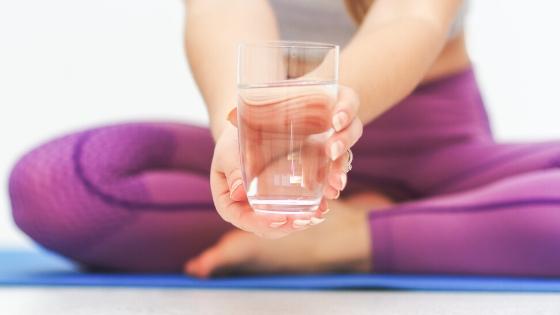
Keeping your body well hydrated will help you perform physical tasks more efficiently and productively. Not only does it help your muscles, but hydration affects your mental health as well. If you suffer from brain fog (especially after exercise), that may be a symptom of dehydration.
Our intake of water and output– both in the form of urination and sweat production– needs to balance. In order to stay in balance, it is best to drink water throughout the day rather than gulping gallons at once.
Is there a reliable hydration test?
The best way to evaluate your hydration is to look at your urine. If it is clear to light yellow, your body is well hydrated. Any darker than light yellow, and you need to up your water consumption. Frequency of urination should be at least every 3-4 hours, so if you are going longer than that between bathroom breaks you have another indication that you are likely under hydrated.
Urine color is the best hydration test because it offers consistent feedback regarding your body’s hydration. Clear to light yellow urine will help you answer the question of how much water do I need, as it is highly individualized.
Menopause and dehydration

And for women 40+, staying well hydrated is essential to combat the drying out our bodies experience due to lowering estrogen in perimenopause and beyond. Lower levels of estrogen affects things like joint health and even our skin.
Drinking plenty of water combats these lowering levels of estrogen by lubricating joints and keeping skin supple as we age. Staying well hydrated also helps to prevent constipation. Having regular bowel movements is important to prevent estrogen dominance.
Is water the only way to get hydrated?
In a word, yes. But the good news is that drinking water is NOT the only way to hydrate. Eating fruits with high water content– things like watermelon and citrus fruits– also contributes to your hydration levels. Check this chart to learn the water content of popular foods.
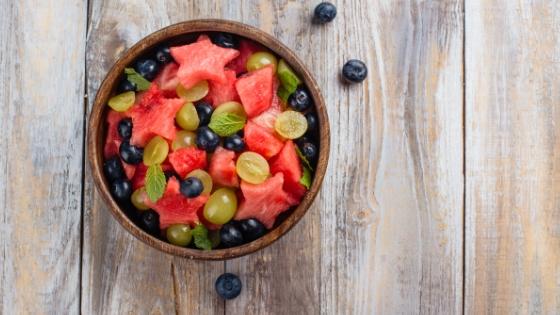
If you notice yourself craving fruits or even skim milk, that may be your body’s way of asking for more water! There’s good reason watermelon is ripe in the heat of summer. It’s a natural way to hydrate, and it has electrolytes like potassium to help keep your body in balance.
Do I have to give up my coffee if I want to be well hydrated?
No! Coffee does contain caffeine which is a diuretic. A diuretic is something that goes right through your system and triggers the elimination response. That means that even though coffee is mostly water, you pee it out before your body can really use it.
However, as long as you are drinking only 1-2 cups per day, the diuretic effects of coffee do not eliminate the benefits of the water that is consumed in the coffee.
WHEW!!!
It is best, however, to ensure that you are drinking plenty of fresh water. Although debunking the hydration myth means you may not need 64-ounces per day, your body still needs plenty of water on its own to work most efficiently.
Quick Hydration Tips
Pick a water bottle you love to carry with you each day. Drinking water all throughout the day is the best way to keep your hydration at optimal levels. It will help you reap the reward of more energy and clearer thinking. My favorite water bottles are by Swell– they’re big enough to hold a good amount of water (25 ounces) and keep it cold. And unlike a lot of other water bottles, the form factor of the Swell bottle fits nicely in my small hands.


Want to be more motivated to carry your favorite water bottle with you? Try cleaning out your water bottle cupboard so the only ones left are bottles you actually want to use.
Bonus– create a cue for yourself as you establish the habit of carrying your water bottle. Maybe it’s a post-it note on the door as you leave your house. Or perhaps your hydration helper is a special keychain. It doesn’t matter what it is, so long as it reminds you to pick up your water bottle and take it with you.
Remembering that hydration for health is best achieved by taking small drinks of water all throughout the day. If you have a drink of water BEFORE you eat anything, you’ll give yourself a double benefit. Firstly, you’ll be better hydrated throughout your day. Also, you’re likely to make better food choices because the water helps to fill you up before you eat.
You can read more about my ideas for popular strategies to help you increase your daily water intake.
Hydration for health may seem super simple, but it’s something that delivers meaningful results. Boost your physical and mental health today by drinking enough water. Sometimes it really is the simple things that matter most.
Karen Shopoff Rooff is an ACE certified health coach and personal trainer. The Well Balanced Women blog is for educational purposes only and is not medical advice. Please discuss your health issues with a licensed medical practitioner.
