

If you are a woman 40+ experiencing hormonal swings, mood shifts, and weight gain, sitting on the couch with your favorite comfort food may be your ideal activity.
During the hormonal shifts of midlife, many women are just fighting to get through the day. And while you may not feel like you have the time or the inclination to exercise, it just may offer the relief you’re looking for.
Meaningful movement in menopause matters for important reasons other than still fitting into the same jeans you wore in your 20s.
By the way, these years of sluggish energy, belly fat, and horrible sleep mark the phase of life called perimenopause. Popular media often calls this phase menopause– but you can learn the technical difference between perimenopause and menopause.
Three reasons exercise and menopause matters for helping you look and feel your best
- Building muscle mass through exercise in perimenopause boosts your metabolism to help fight stubborn belly fat.
- Exercise during perimenopause helps to strengthen your bones, lowering your risk for osteoporosis and fractures.
- Exercise is a known mood lifter, so if hormones have got you down, moving your body can pump you up again.
BUILD YOUR MUSCLES
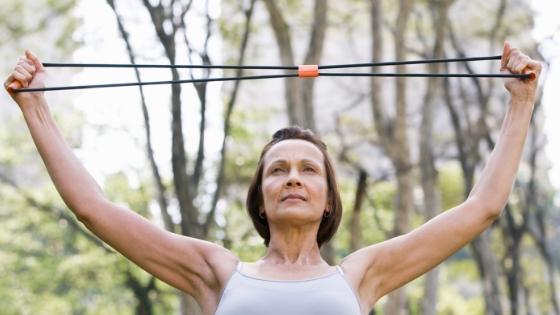
Exercise helps you build lean muscle mass. The more lean muscle mass you have, the higher your metabolic rate. If your metabolism is slowing down, exercise can give you a boost.
Think of it this way: exercise stokes the fire of your internal engine. And when the fire is hot, it burns better.
For you, that means when your metabolic rate increases, you burn more calories both when exercising and at rest. Who doesn’t want to burn more calories even when you’re not doing anything?!
So the more lean muscle mass you build, the more calories you burn all the time. For women fighting perimenopausal weight gain, building your muscles is Reason One movement in menopause matters. While muscle weighs more than fat, it takes up less space. So even if the number on the scale goes up, the number on your clothing tags will go down.
Even if you’re not experiencing perimenopausal weight gain, building muscles improves your functional fitness. Functional fitness is simply your ability to get through your regular life without feeling physically sore or challenged. Women over 40 need muscle to continue to live a high quality of life.
When it is easier to tackle the Everyday Olympics of your life, you have not only greater health but greater happiness, too.
STRENGTHEN YOUR BONES
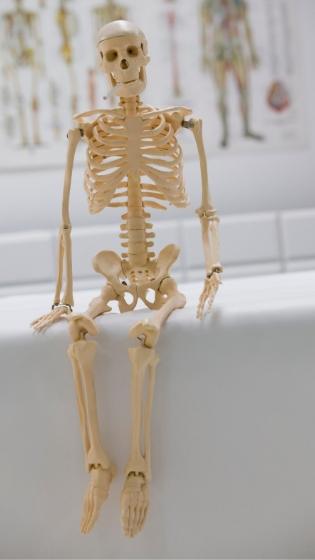
You probably know from popular media that hormonal changes in perimenopause often lead to osteopenia and osteoporosis. These are medical conditions marked by less bone density and brittle bones. As women age and move past menopause, they are at greater risk of bone fracture.
Weight bearing exercise in perimenopause is one of the best ways to support your bone health. Bone is composed of living tissue. Weight bearing exercise stimulates formation of new bone tissue, ensuring vital bones. There are lots of bone strengthening activities you can do at home that are quite simple but effective.
Exercise also promotes bone health because the living tissue of the bones respond to the forces placed upon it. When muscles tug on bones, they respond; in doing so, they become stronger. Get regular exercise and the negative effects of aging will be lessened.
While osteoporosis can be reversed, it takes a lot of hard work– prevention is a better path!
And for those of you motivated by vanity, weight training in menopause matters because it’s a surefire way to avoid the old lady slump!
IMPROVE YOUR MOOD

For women who have never had an exercise habit, it can be difficult to understand how getting hot and sweaty can actually improve your mood.
Let’s start simple: increased blood flow = increased brain function.
Perimenopausal women who exercise regularly report greater mental clarity and less brain fog than when they do not exercise. Again, if the brain is being called upon to engage in specific, thoughtful movement, blood flow increases. More blood flow means the brain is stimulated. Simply put: your brain needs exercise!
If you can find an exercise buddy, you’ll get some much needed support and socialization, too. Many women moving through perimenopause feel isolated. Combining your exercise time with your social time can do double-duty.
Another mood-altering benefit of more exercise is that it often leads to better sleep. Deep, restorative sleep is critical for feeling your best. You may need to play around with what time of day you work out to reap the benefits of maximum quality sleep, but it’s worth it. Nothing beats a good night’s sleep.
Taken together, greater mental clarity and better sleep go a long way to improving your mood!
Another way of thinking about the benefits of exercise and perimenopause is my favorite mantra:
When you feel better, you feel better!
It may sound silly, but it’s true.
Quite simply, the overwhelming physical and mental benefits of exercise outstrip the unpleasant symptoms many perimenopausal women experience. Exercise in menopause matters because it is a way that you can take control of what is happening in and to your own body.
If you can motivate yourself just to take the first step, I think you’ll find that building muscle, strengthening your bones, and improving your mood make perimenopause much easier to deal with.
Sometimes exercise alone isn’t enough to help you navigate perimenopause with ease. In that case, you’ll be ready to have a conversation with your healthcare provider about other ways to find the balance you’re looking for.
Read more about why exercise in menopause matters in my article the TOP 10 PERIMENOPAUSE QUESTIONS….ANSWERED!
Karen Shopoff Rooff is a certified health coach. The Well Balanced Women blog is for educational purposes only and is not medical advice. Please discuss your health issues with a licensed medical practitioner.
